Consumer Duty: Don’t stop at compliance. It’s the best brand brief the insurance sector has ever seen
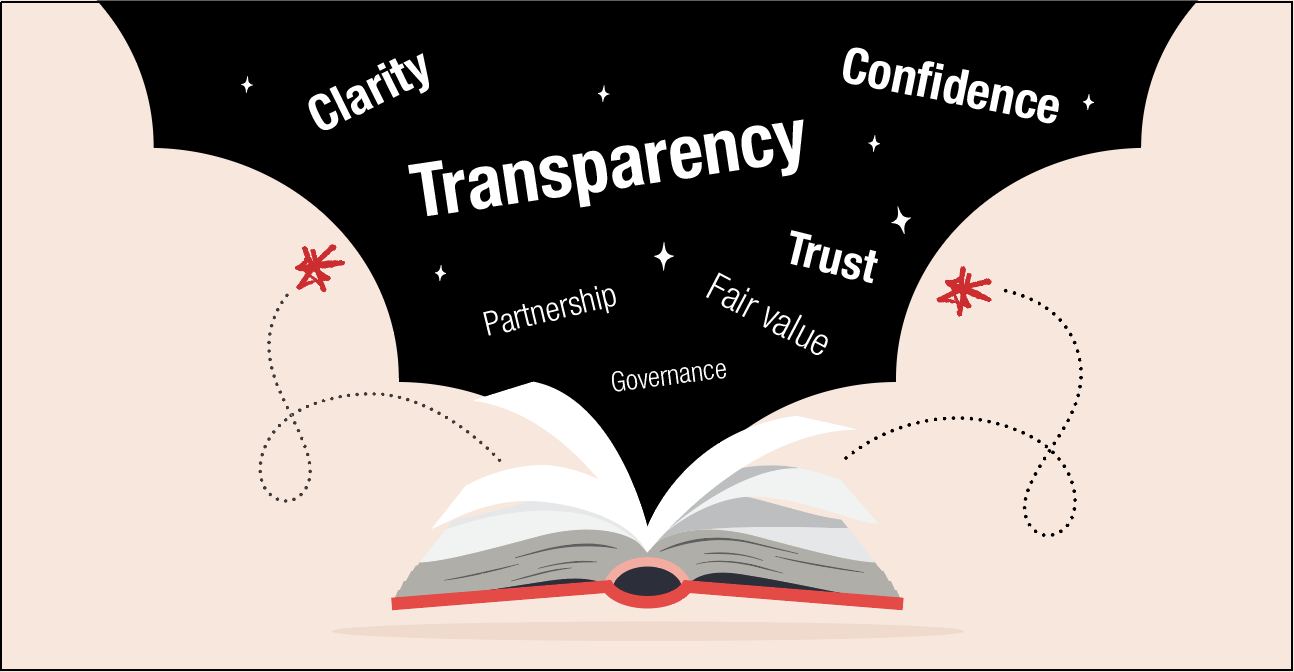
Most insurance firms have now done the Consumer Duty work. New frameworks, revised fair value assessments, updated product governance processes. The documentation is in order. The regulator is, broadly, satisfied.
But something more interesting happened along the way, and most firms haven’t noticed yet.
Consumer Duty didn’t just raise the bar on compliance. It handed every firm in the distribution chain the raw material for a genuinely distinctive brand proposition. So the question isn’t whether you’ve met the standard. It’s whether you’ve done anything with it.
Because buried inside the work you’ve already completed is something more valuable than a compliance sign-off. It’s a mandate to do something the insurance sector has been avoiding for years: find out what you actually stand for, say it clearly, and mean it.
That’s not a regulatory burden. That’s a brand brief. And the firms moving fastest right now are the ones who’ve realised it.
Beyond compliance
Ask your brokers why they choose you. Odds on, you’ll hear: good service, competitive terms, you know where you stand with them. All true. All genuinely valued. And most likely word-for-word what they’d say about your closest competitors.
This is the insurance brand problem. And Consumer Duty, for all its rigour, hasn’t solved it – it’s made it more visible.
Brokers are time-poor professionals spinning dozens of insurer-relationship plates at once. So they develop shortcuts. A small mental repertoire of firms they instinctively reach for when a particular type of risk lands on their desk. Getting into that consideration set, and staying there, is the single most important commercial challenge facing every insurer and MGA in the UK today.
The conventional response has always been to do more. More trade press. More broker events. More LinkedIn. More product campaigns. None of it is wrong, exactly. But most of it is built on a poorly laid foundation – a brand proposition that sounds much like everyone else’s.
Documentation and distinctiveness are not the same thing. The firms that treated Consumer Duty purely as a compliance exercise have a well-governed version of the same problem they had before. The firms getting ahead are using the same foundation to build something far more valuable.
The work after the work
Intended or not, Consumer Duty actually produced a first draft of a brand proposition.
The fair value statements. The customer outcome frameworks. The plain-language descriptions of what products genuinely deliver. Every firm in the market has now been required to articulate – clearly, specifically, in terms a customer would recognise – what they stand for and why it matters.
That is extraordinary raw material. Pure gold, and most of it is sitting in governance documents, doing nothing.
Why? Because until now, most insurance firms never needed to use it. In markets where distribution is intermediated, the pressure to communicate directly and compellingly has always been reduced. BDMs carry the relationship. Brokers absorb the communication burden. They explain the product, handle the objection, build the trust. The insurer’s brand, in this model, functions largely as a backstop. It needs to be credible, but it doesn’t need to be memorable in the way a direct-to-consumer brand does.
Remove that crutch – or simply accept that BDM relationships alone can’t build the kind of mental availability that survives a soft market, a broker panel review, or a new entrant with a more compelling story – and the gap becomes acutely obvious.
This has created a generation of insurance brands that are well-governed, professionally presented, but strategically hollow. They know what they do. They can describe it clearly. But the question of why it matters to a broker, to their client, to the world they both operate in, has never been properly answered.
The opportunity now is to take that answer off the compliance shelf and build a brand around it. In a market where almost everyone now meets the same standard, distinctiveness is where your true advantage lies.
Find the human truth
The most important question in insurance brand strategy is not “what do we offer?” but “what do we make possible for the broker, for their client, for the relationship between them?” The answer is almost always more specific, more interesting, and more differentiated than anything in the product specification or the fair value assessment.
When Travelers entered the schemes market, they faced almost every version of the insurance brand problem at once. No established profile. No obvious USP. A broker audience with little reason to change existing relationships. The brief we received was, on the surface, a campaign brief. What it became was a proposition-finding exercise first and a campaign second.
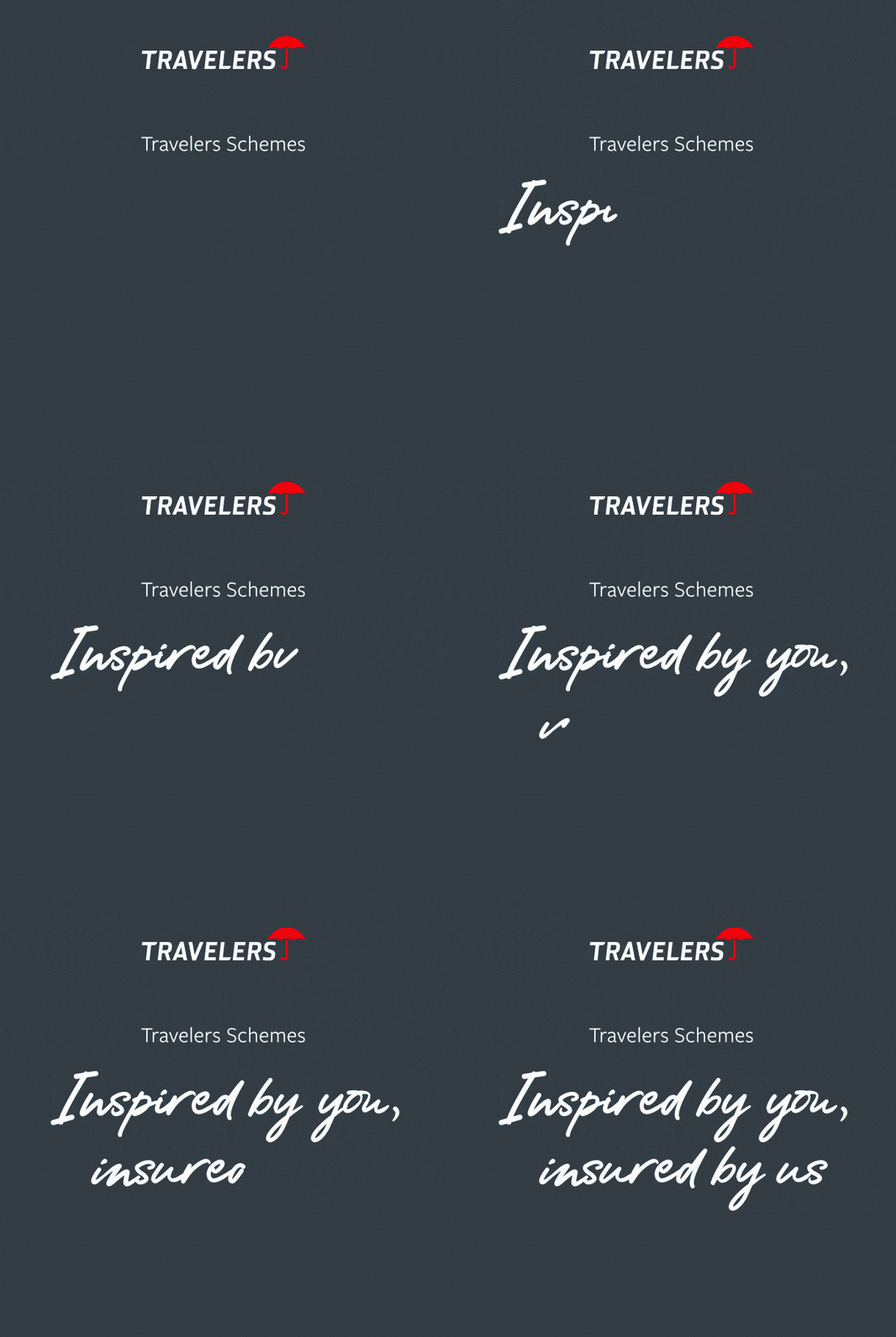
The insight that unlocked it was about brokers, not products. Schemes brokers are specialists who take pride in finding cover for risks that don’t fit standard templates. They needed an insurer partner who understood and celebrated that specialism. Inspired by you, insured by us brought that human truth to life. It’s also a positioning no competitor was occupying. The campaign generated 150% of target leads and a 1,216% return on investment – delivered a full quarter ahead of schedule.
Finding your version of that truth requires asking different questions. Not “how do we want to be perceived?” but “what do our best broker relationships actually feel like from the broker’s side?” Not “what are our key messages?” but “what would a broker lose if we disappeared tomorrow?”
Once the human truth is found and named, every other element of the brand follows. The language. The visual identity. The campaign platform. The way BDMs talk about the firm in broker conversations. The tone of the renewal communication. The welcome pack. All of it becomes an expression of the same underlying idea, reinforcing the same memory structure in the broker’s mind every time.
This is how brands build mental availability. Not only through frequency of exposure, but through consistency of meaning. Every touchpoint expressing the same true thing, in different ways, across different contexts, over time.
The language you produced for your Consumer Duty value statement means you’ve already done the hard work of articulating your genuine value. You have the raw material for a brand platform. The question is whether your firm is willing to take the next step.
This was the imperative in 2021 when we worked with Travelers – two years before Consumer Duty came into force. The regulatory requirement has changed. The underlying brand opportunity hasn’t. If anything, the firms that act now have a cleaner run at it, because the compliance foundation is already laid.
Over to you
Consumer Duty created a level playing field on compliance. What happens next? Well that’s a brand question that’s up to you.
The firms that will emerge from this period with stronger broker relationships and more durable competitive positions are not the ones with the most comprehensive fair value documentation. They’re the ones who recognised that the documentation was the beginning, and used it to build something genuinely distinctive on top.
If that’s the next step you’re considering – whether you’re entering a new market, refreshing a tired brand, or trying to build the kind of broker love that survives a soft market – we’d be glad to share what we’ve learned from thirty years of working on exactly this problem.
About Alastair
Alastair Williams
Founder & Creative Director